Teaching BLoC Pattern
Project
Flutter teams often start fast, but as applications grow, state management can become hard to reason about. UI logic, business rules, async flows, and data updates can quickly become tangled, making the code harder to maintain and explain.
The workshop was created for researchers and developers working with assistive technology who needed a clearer, more professional way to structure Flutter applications beyond simple UI implementation.

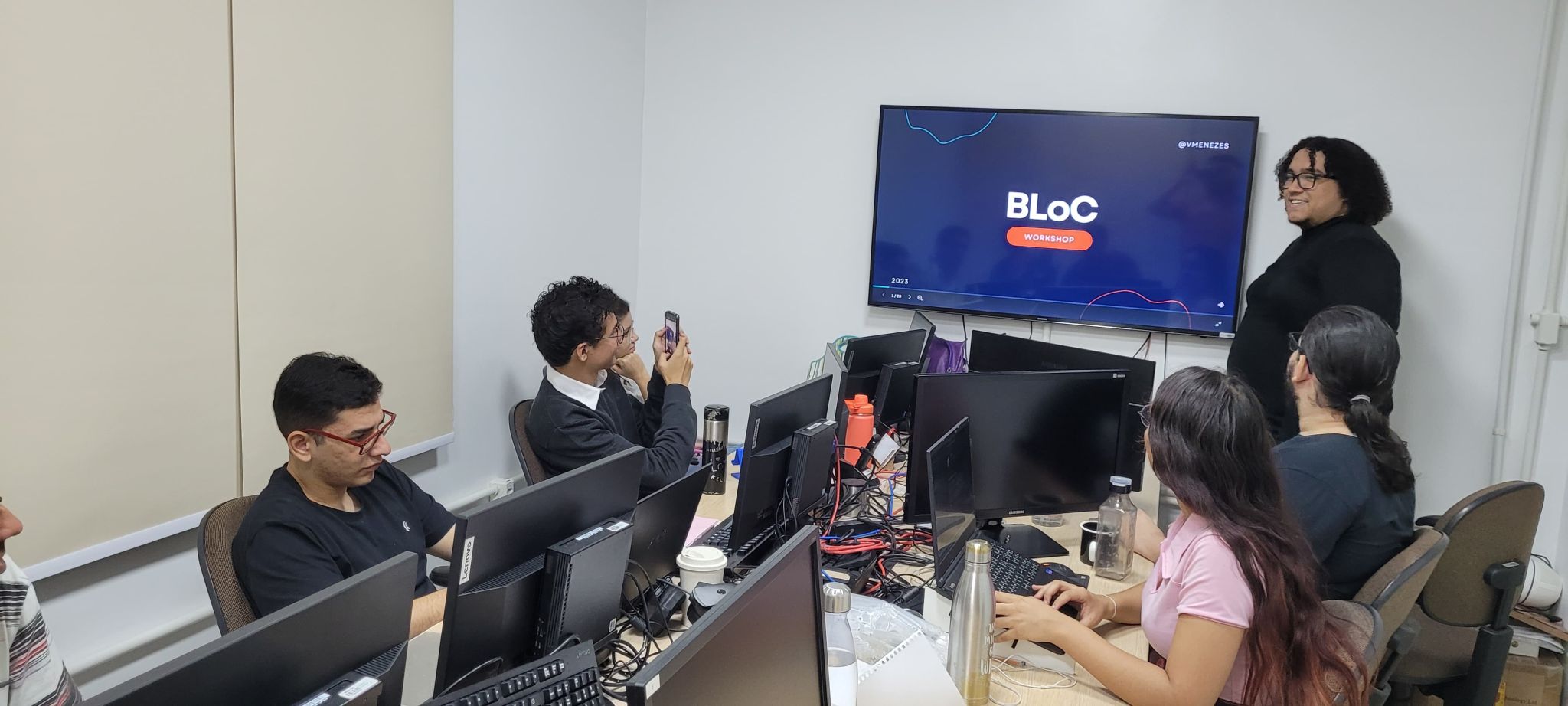
I delivered a technical workshop introducing the BLoC pattern as a practical architecture for separating interface, state, events, and business logic. The session focused on making the pattern understandable, not just showing syntax.
The workshop connected concepts to real development problems: cleaner APIs, predictable state transitions, clearer responsibilities, and code that other developers can read with fewer surprises. I also related the pattern to my open-source work with ts-bloc, showing how architectural ideas can move across ecosystems.

The main challenge was teaching an architectural pattern without making it feel abstract or overengineered. BLoC can be powerful, but it can also intimidate developers if presented only through diagrams or framework jargon.
The session needed to balance theory and practice: explaining why the pattern matters, when it is useful, and how it helps teams build applications that remain understandable as they grow.

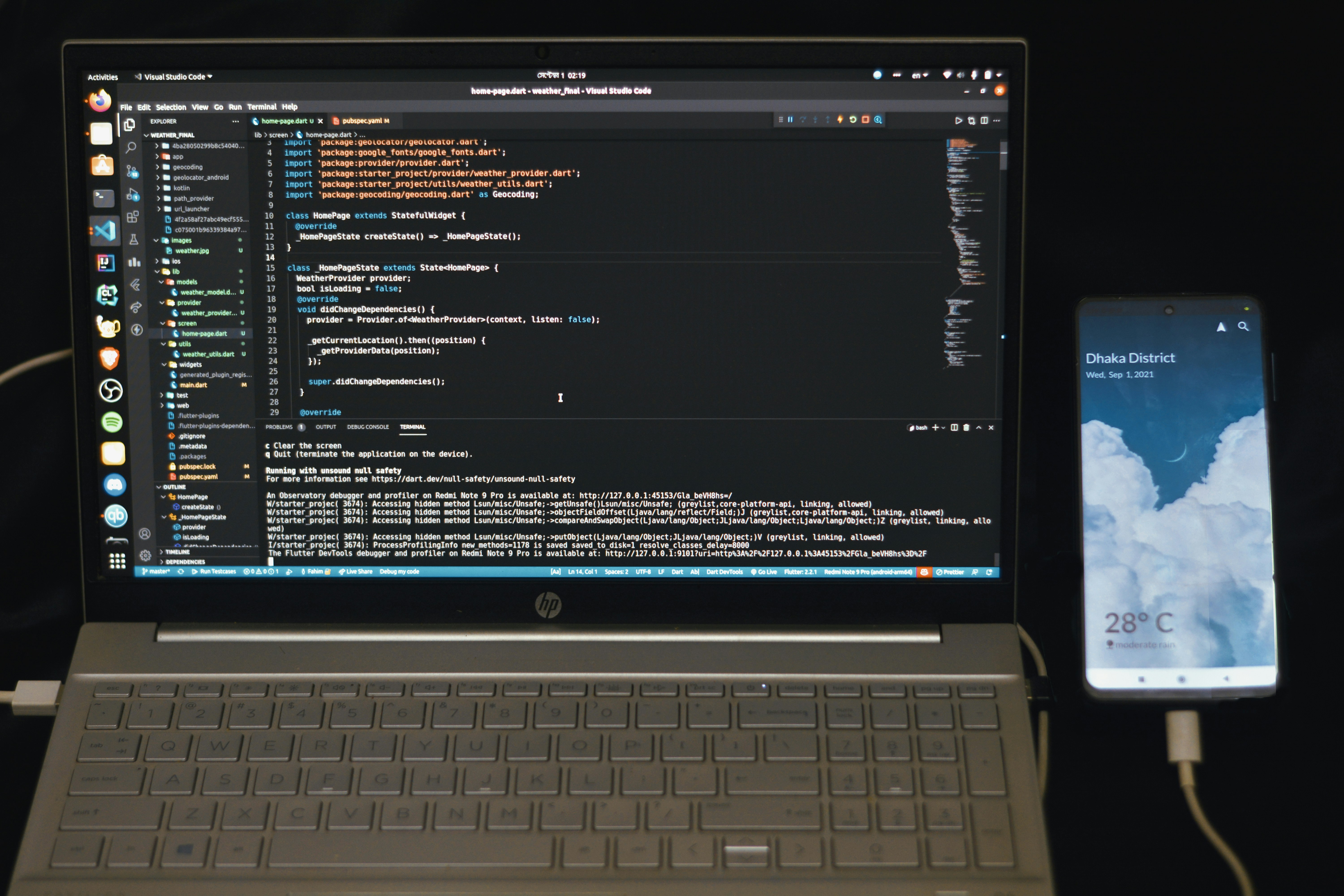
The BLoC workshop became a practical example of developer education: taking an architecture pattern and turning it into a clear learning experience for developers working on real software.
This case represents the teaching side of my path toward Developer Relations — explaining technical ideas, connecting them to practice, and helping developers write code that is easier to understand, maintain, and scale.

More to Discover
Teaching BLoC Pattern
Project
Flutter teams often start fast, but as applications grow, state management can become hard to reason about. UI logic, business rules, async flows, and data updates can quickly become tangled, making the code harder to maintain and explain.
The workshop was created for researchers and developers working with assistive technology who needed a clearer, more professional way to structure Flutter applications beyond simple UI implementation.
I delivered a technical workshop introducing the BLoC pattern as a practical architecture for separating interface, state, events, and business logic. The session focused on making the pattern understandable, not just showing syntax.
The workshop connected concepts to real development problems: cleaner APIs, predictable state transitions, clearer responsibilities, and code that other developers can read with fewer surprises. I also related the pattern to my open-source work with ts-bloc, showing how architectural ideas can move across ecosystems.
The main challenge was teaching an architectural pattern without making it feel abstract or overengineered. BLoC can be powerful, but it can also intimidate developers if presented only through diagrams or framework jargon.
The session needed to balance theory and practice: explaining why the pattern matters, when it is useful, and how it helps teams build applications that remain understandable as they grow.
The BLoC workshop became a practical example of developer education: taking an architecture pattern and turning it into a clear learning experience for developers working on real software.
This case represents the teaching side of my path toward Developer Relations — explaining technical ideas, connecting them to practice, and helping developers write code that is easier to understand, maintain, and scale.
More to Discover
Teaching BLoC Pattern
Project
Flutter teams often start fast, but as applications grow, state management can become hard to reason about. UI logic, business rules, async flows, and data updates can quickly become tangled, making the code harder to maintain and explain.
The workshop was created for researchers and developers working with assistive technology who needed a clearer, more professional way to structure Flutter applications beyond simple UI implementation.
I delivered a technical workshop introducing the BLoC pattern as a practical architecture for separating interface, state, events, and business logic. The session focused on making the pattern understandable, not just showing syntax.
The workshop connected concepts to real development problems: cleaner APIs, predictable state transitions, clearer responsibilities, and code that other developers can read with fewer surprises. I also related the pattern to my open-source work with ts-bloc, showing how architectural ideas can move across ecosystems.
The main challenge was teaching an architectural pattern without making it feel abstract or overengineered. BLoC can be powerful, but it can also intimidate developers if presented only through diagrams or framework jargon.
The session needed to balance theory and practice: explaining why the pattern matters, when it is useful, and how it helps teams build applications that remain understandable as they grow.
The BLoC workshop became a practical example of developer education: taking an architecture pattern and turning it into a clear learning experience for developers working on real software.
This case represents the teaching side of my path toward Developer Relations — explaining technical ideas, connecting them to practice, and helping developers write code that is easier to understand, maintain, and scale.